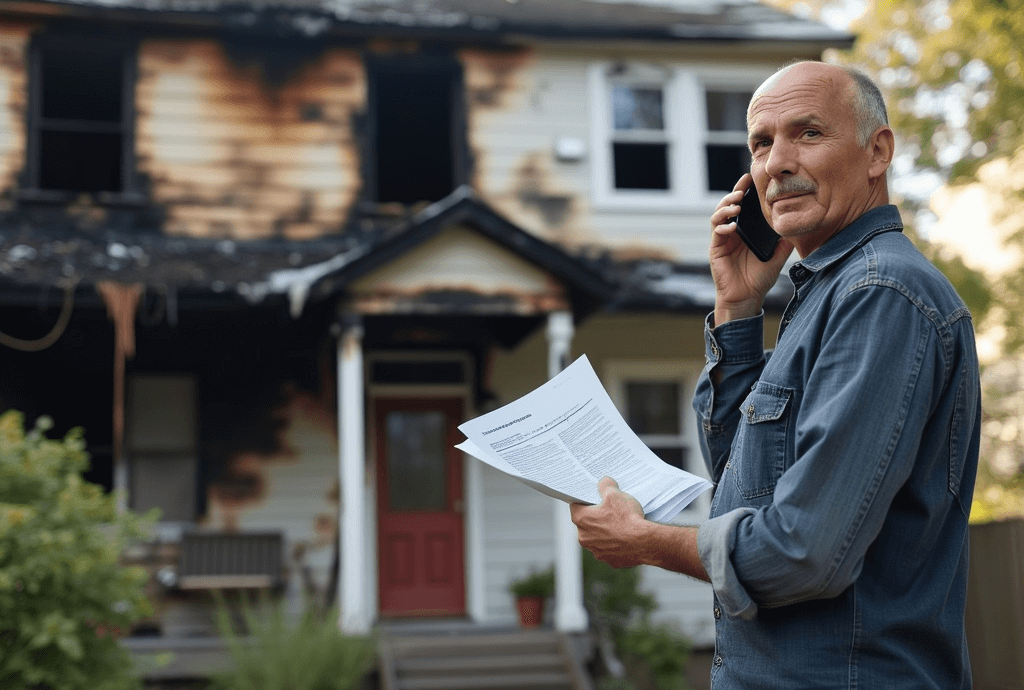
Experiencing a fire is a life-altering event that extends beyond the loss of physical possessions. The emotional toll can be profound, affecting your mental health, relationships, and overall well-being. Feelings of shock, grief, anger, and anxiety are common in the aftermath of such a disaster. Understanding and addressing these emotions is a crucial part of the healing process. This guide offers strategies to help you navigate the emotional journey toward recovery after a fire.
The first step toward healing is acknowledging the range of emotions you’re experiencing. It’s normal to feel overwhelmed, vulnerable, or numb following a traumatic event. Allow yourself to grieve the loss of your home and possessions. Suppressing emotions can lead to prolonged distress and may impede the healing process. Accepting your feelings is not a sign of weakness but a vital part of moving forward.
Connecting with loved ones provides a vital support network during this time. Sharing your feelings and concerns with family and friends can offer comfort, practical assistance, and a sense of normalcy. Don’t hesitate to accept help with daily tasks or rebuilding efforts—collaboration can alleviate stress and foster emotional recovery. Knowing you’re not alone can make a significant difference in how you cope with the aftermath.
Professional help can also be invaluable. Consider seeking guidance from mental health professionals who specialize in trauma and disaster recovery. Therapists or counselors can provide coping strategies tailored to your situation, offering a safe space to express your feelings and work through the psychological impact of the fire. Early intervention can prevent long-term mental health issues such as depression or post-traumatic stress disorder (PTSD).
Joining support groups is another way to connect with others who have faced similar experiences. Engaging with people who understand what you’re going through can be incredibly healing. Sharing stories, exchanging advice, and gaining insights from others can help you feel less isolated and more understood. Both local community groups and online forums can provide accessible support.
Re-establishing a daily routine can bring a sense of control and normalcy back into your life. Regular activities like waking up at the same time, engaging in exercise, or setting small goals for the day can provide structure. Although it may be challenging initially, routines help stabilize your emotional state and promote a sense of purpose. Consistency in daily habits can be grounding during times of upheaval.
Prioritizing self-care is essential during this stressful period. Engage in activities that foster relaxation and well-being. Physical exercise can release endorphins that improve mood and reduce stress. Practices like mindfulness and meditation focus on the present moment, helping manage anxiety and emotional overwhelm. Ensure you’re getting adequate rest to support your mental and physical health, and nourish your body with balanced meals to improve energy levels and mood.
It’s important to set realistic expectations for yourself in the recovery process. Acknowledge that healing takes time, and it’s okay to have good days and bad days. Breaking down tasks into manageable steps, whether it’s dealing with insurance claims, planning rebuilding efforts, or handling daily responsibilities, can make the process less overwhelming. Celebrating small achievements can provide motivation and a sense of progress.
In the immediate aftermath of trauma, it’s advisable to postpone major life decisions if possible. Emotional upheaval can cloud judgment, leading to choices that may not align with your long-term interests. Give yourself time to heal before making significant changes in your career, relationships, or living arrangements. Patience can help ensure that decisions are made thoughtfully and are in your best interest.
Being aware of triggers that may cause distress can help you prepare and cope. Certain sights, smells, or sounds may remind you of the fire. If media coverage or conversations about the event cause anxiety, consider limiting your exposure or discussing coping strategies with a professional. Understanding your triggers empowers you to take control of your environment and reactions.
Focusing on aspects of the situation that you can control can aid in your recovery. While you cannot change the past, taking active steps toward rebuilding and healing can provide a sense of empowerment. Organizing important documents, making plans for temporary housing, or engaging in community rebuilding efforts can give you a tangible sense of progress and purpose.
Embracing community resources can also provide support. Various organizations offer assistance to those recovering emotionally from disasters. Local mental health agencies, non-profit organizations, or disaster relief programs may offer counseling, financial assistance, or other forms of support to aid in your recovery. Reaching out to these resources can alleviate some of the burdens you’re facing.
Finding personal meaning or growth from the experience can facilitate healing. This doesn’t diminish the hardship you’ve endured but can help integrate the event into your life narrative in a way that fosters resilience. Some people find comfort in helping others, advocating for fire safety, or engaging in creative expressions like writing or art. Transforming adversity into positive action can be profoundly healing.
The journey to emotional recovery after a fire is deeply personal and may involve a mix of setbacks and progress. Remember that it’s okay to seek help and that you don’t have to navigate this path alone. By acknowledging your emotions, leaning on support systems, and employing self-care strategies, you can move toward healing and reclaim a sense of peace and stability.
At Hope Street Partners, we understand that recovery encompasses more than just rebuilding physical structures. We’re committed to supporting you through every facet of the healing process. Explore our services to discover how we can assist you in restoring not just your home, but your well-being and hope for the future.